

Visual Reflections
Textures, palettes, and lighting setups selected this month — chosen for clarity and craft signal, not spectacle.


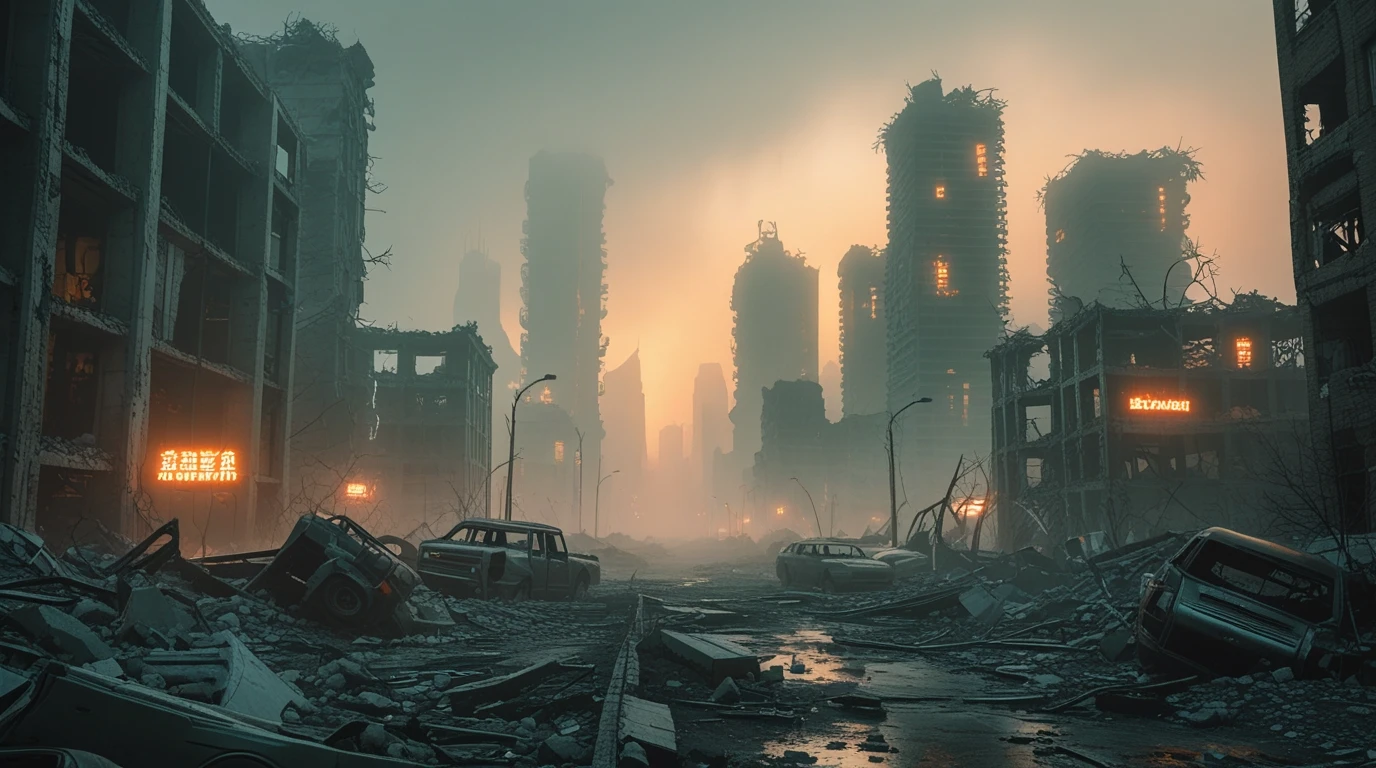
Featured Reviews
Three picks revisited with a production lens: visual clarity, pacing, and how confidently the game communicates its systems. Each includes a "why it works" note you can borrow.

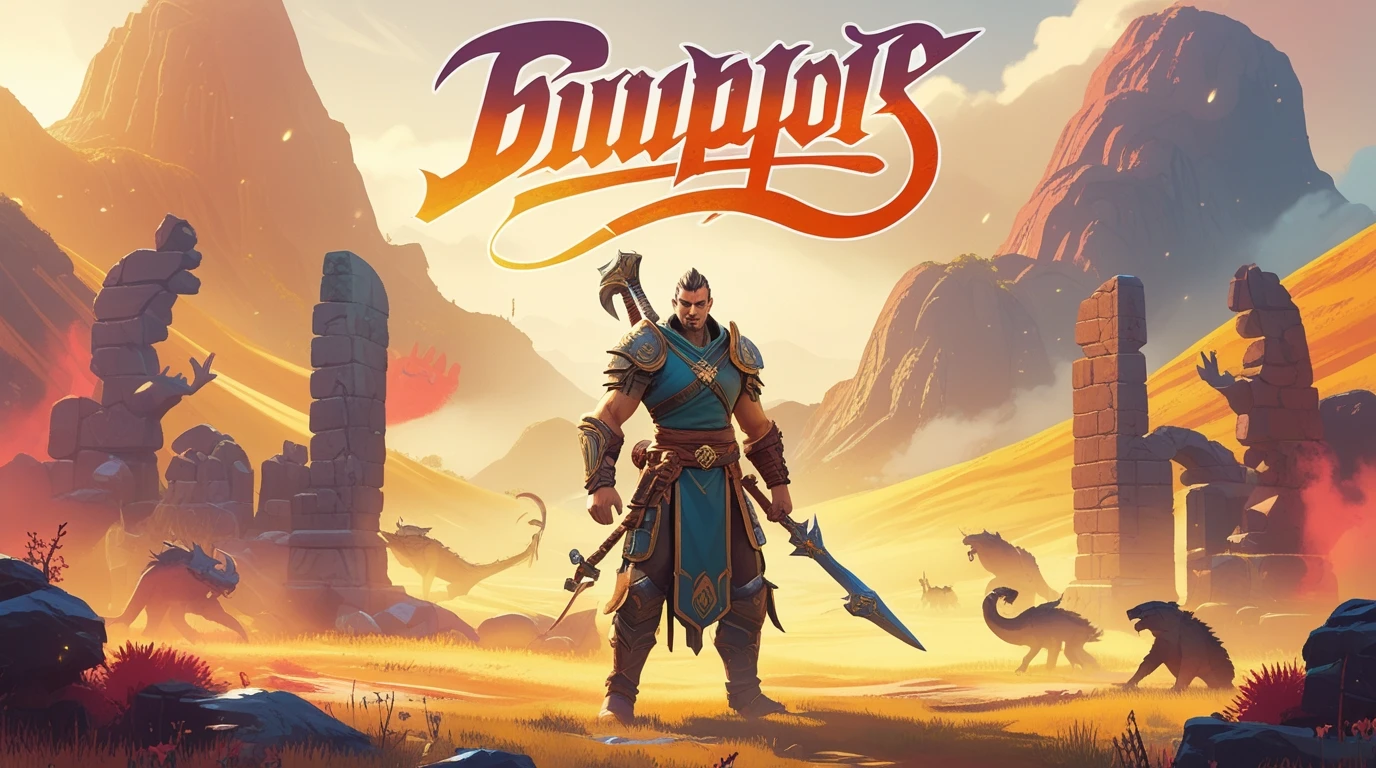
Legends of Avoria
A sweeping fantasy epic where every choice carries weight. Delivers breathtaking battles, rich lore, and quiet moments of reflection built into the visual language of each scene.
Readable silhouettes in combat, environments that guide with light rather than HUD elements, deliberate pacing.
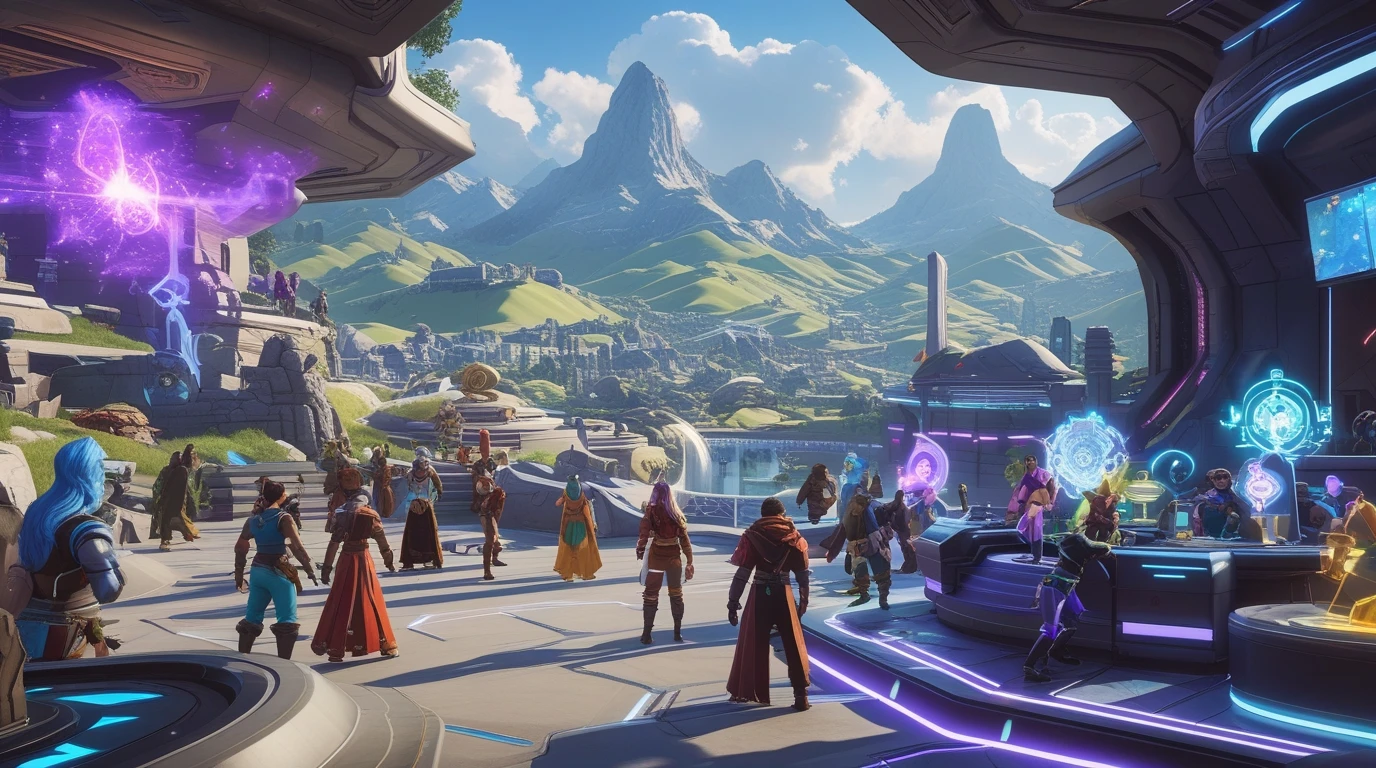
Nexus Chronicles
Visually majestic and conceptually ambitious — an interactive myth told through puzzles, conflict, and choice. Color scripting and camera framing elevate every encounter.
Controlled color scripting, purposeful camera angles, and clean readability during dense, multi-enemy encounters.
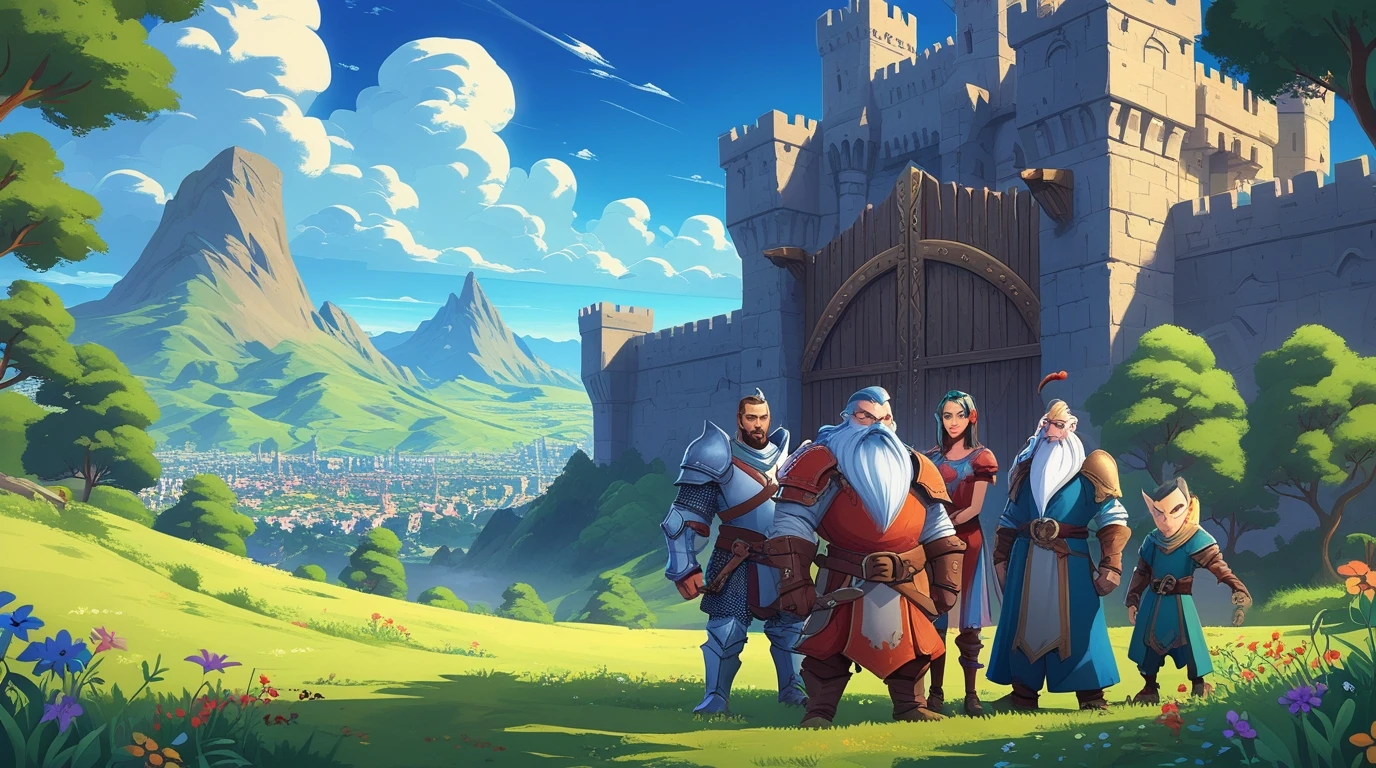
Eternal Quest
A poetic take on heroism that blends strategic challenge with emotional storytelling. Ancient ruins and ethical dilemmas feel visually distinct without breaking the art direction.
Consistent value design, a palette that stays calm under pressure, and one-more-turn loop reinforced visually.
Studio Notes
What's reshaping the craft landscape right now — with a practical takeaway in every entry.
Velvet Atlas Unravels: Patch Notes
A groundbreaking VR design dissolves the line between player and world. Enhanced visuals, spatial controls, and responsive environments draw players deeper than ever. Leading studios are building transformative VR worlds that challenge how we define play — and the shader decisions behind them are surprisingly portable.
Vast Citadel Unravels: Studio Notes
From humble beginnings to global acclaim: a single developer's vision earned the industry's highest honor. Rich in narrative, distinct in aesthetic, and fearless in mechanics — the production choices prove that meaning in play often comes from constraints, not budgets.
Astral Ledger Aligns: Production Update
With ultra-fast SSDs, cinematic renders, and intelligent streaming integration, the newest hardware defines what "next-gen" means for art directors. Key takeaway: scope your scene loads to the storage budget, not your concept art.
Reference Boards
Seeing clusters of visual reference is faster than scanning individual images. Key palettes, shapes, and scenes that drove this week's editorial picks.

A Breakdown, in Layers
Minimal layouts read better when hierarchy is explicit. This is the structure we use to dissect any scene, UI, or art direction pack — and it keeps notes actionable, not decorative.
Skim the headings first. If "Intent" makes sense, the rest is worth your time.
When you're building, copy this outline into your notes and fill it after each milestone: blockout, first lighting pass, materials, and polish.
Goal: not more words. Clearer decisions and fewer late-stage surprises.
The outline also works as a review framework — hand it to a fresh set of eyes before your final pass.
LOCK IN YOUR
CRAFT EDGE
Scene breakdowns, pipeline notes, and lighting studies — delivered before the week's build sprint.
Zero spam. Pure signal. Unsubscribe at any time.